Personal Taste - The Articulation Problem
On human preferences, identity & systems
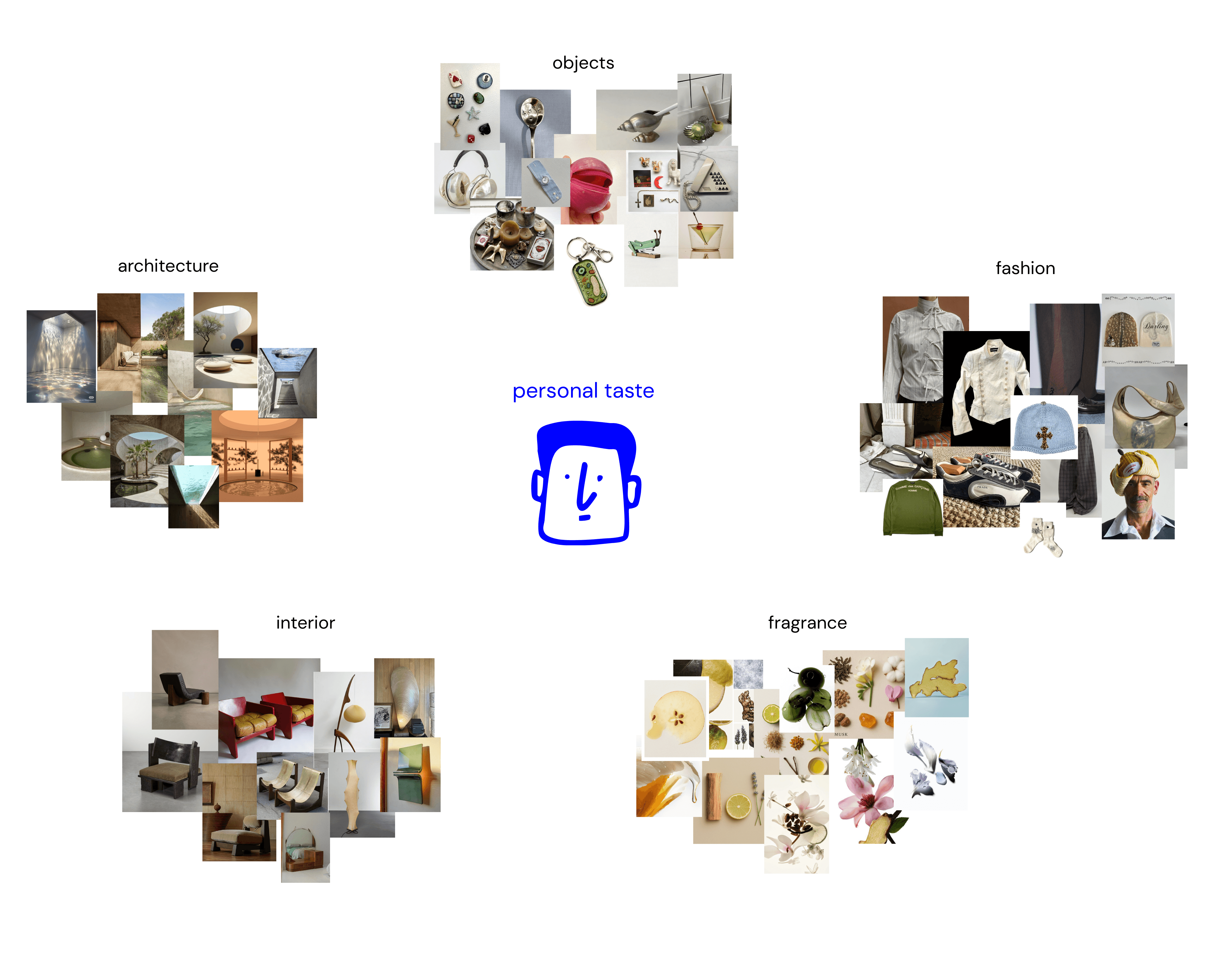
There is a particular moment most of us have experienced but rarely paused to dissect. What follows is based on my own observations, backed by surveys with 50 people and 10 in-depth interviews exploring our relationship with style.
Imagine, you are scrolling through images: a room, a garment, an object and something in you responds. Not considered and processed yet. It arrives before you have formed an opinion. The thing either resonates, or it doesn't, and you know which immediately, with a certainty that language often fails to follow.
This is how taste works. As a pre-verbal signal. Fast, specific, operating below the level of description. The problem is that nothing on the market built to capture taste works at this level.
The gap that nobody names
So I asked people to describe their personal style and observe what happens. Most people reach for categories. Minimalist. Vintage. Clean. Eclectic. I have noticed how these words fail them, how they add qualifiers, then contradictions, then give up with "it depends," or "I don't think I really have a style" (yes, you do, and it falls into the category called "functional" style).
These labels somewhat described the visual qualities of the object but were mostly inaccurate, especially when they are not designers or creative with the right vocabulary. The actual information lives elsewhere: in the images saved late at night with no particular intention, the items kept for a decade without explanation, the spaces that feel immediately, inexplicably, like home.
The data exists but it's rich, specific, coherent and … subjective.
The hypothesis I have on this is the articulation gap: the distance between aesthetic response, which is fast, specific, and real and the language we use to describe it, which is broad, retrospective, and almost always imprecise. Whether you work in a creative field or care deeply about how you present yourself to the world, chances are you already possess a highly sophisticated, coherent sense of taste. This is especially true for Gen Z and Gen Alpha, who use visual identity as a core language.
If people struggle to articulate their style, it’s not because they don't know what they like, but more about a lack of vocabulary. There's simply no system/application precise enough to reflect their own taste back to them.
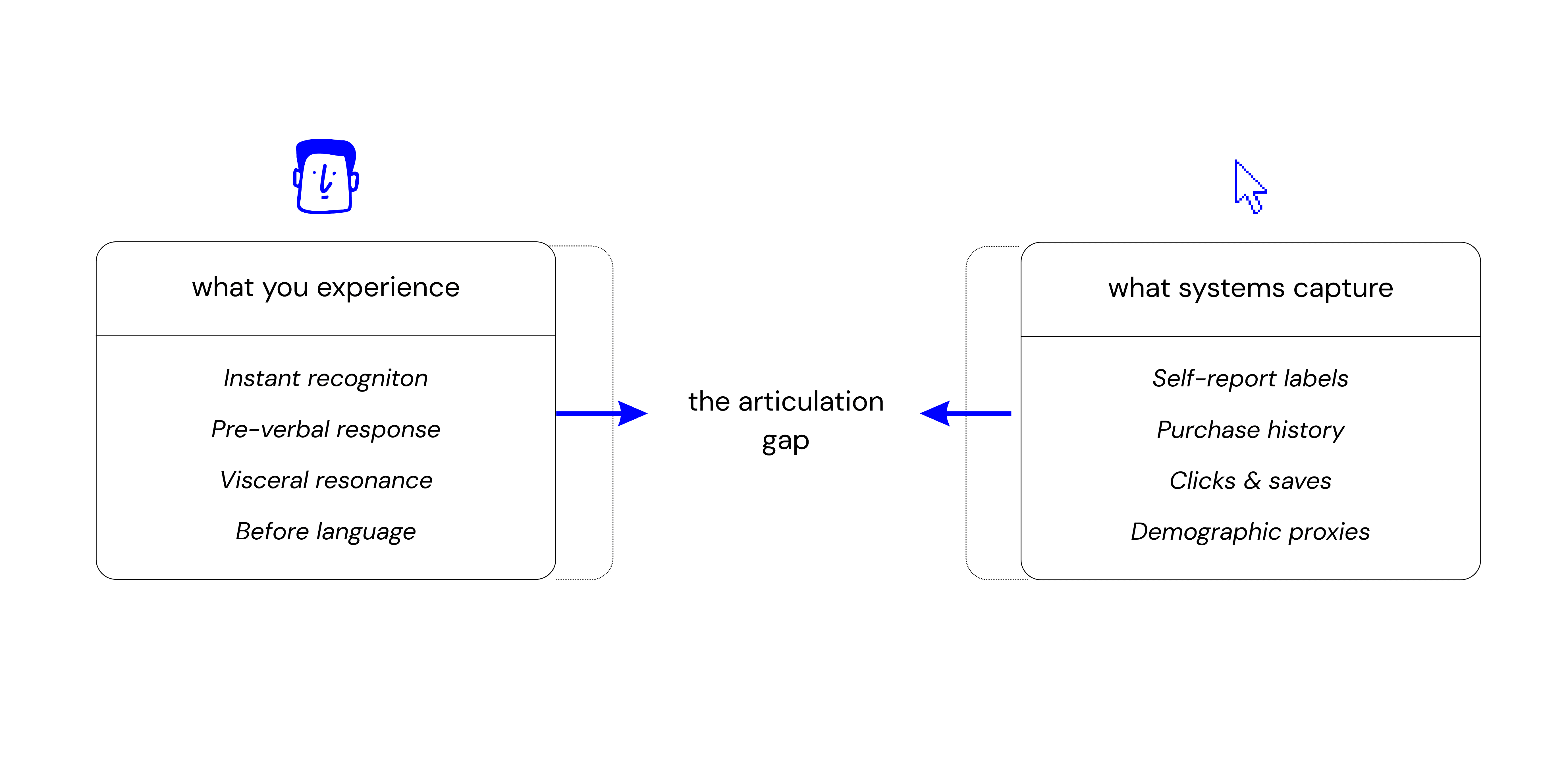
Fig. 1 - The articulation gap: what you experience vs. what systems are built to capture
What the current tools haven't done
The systems that exist for personal style operate almost entirely in the upper registers of preference data. They observe what you buy, what you search, and what you label with questions like: What do you call your style? What have you saved? What have you acquired?
This is useful information. It is not sufficient information.
On the commercial side, purchase data tells you what someone was willing to acquire at a given price, on a given day, for a given occasion. Saved images tell you what caught the eye, not specifically what it caught about you. Style labels create categories so broad that they contain their own contradictions.
The structural problem: every existing tool requires you to translate aesthetic experience into language before it can process it. Thus, the translation step is where the signal degrades.
Consider a person who saves images of brutalist architecture, unbleached linen, ceramics with visible texture, and photographs from 1970s rural Japan. No quiz produces an accurate read of this person. No category holds them. What they are responding to is something more specific than a style word, a consistent visual primitive, a quality of weight and material honesty and restrained chromatic range that expresses itself across apparently unrelated categories. The current landscape calls this person "minimalist" and moves on. It is not inherently wrong, but it's … missing.
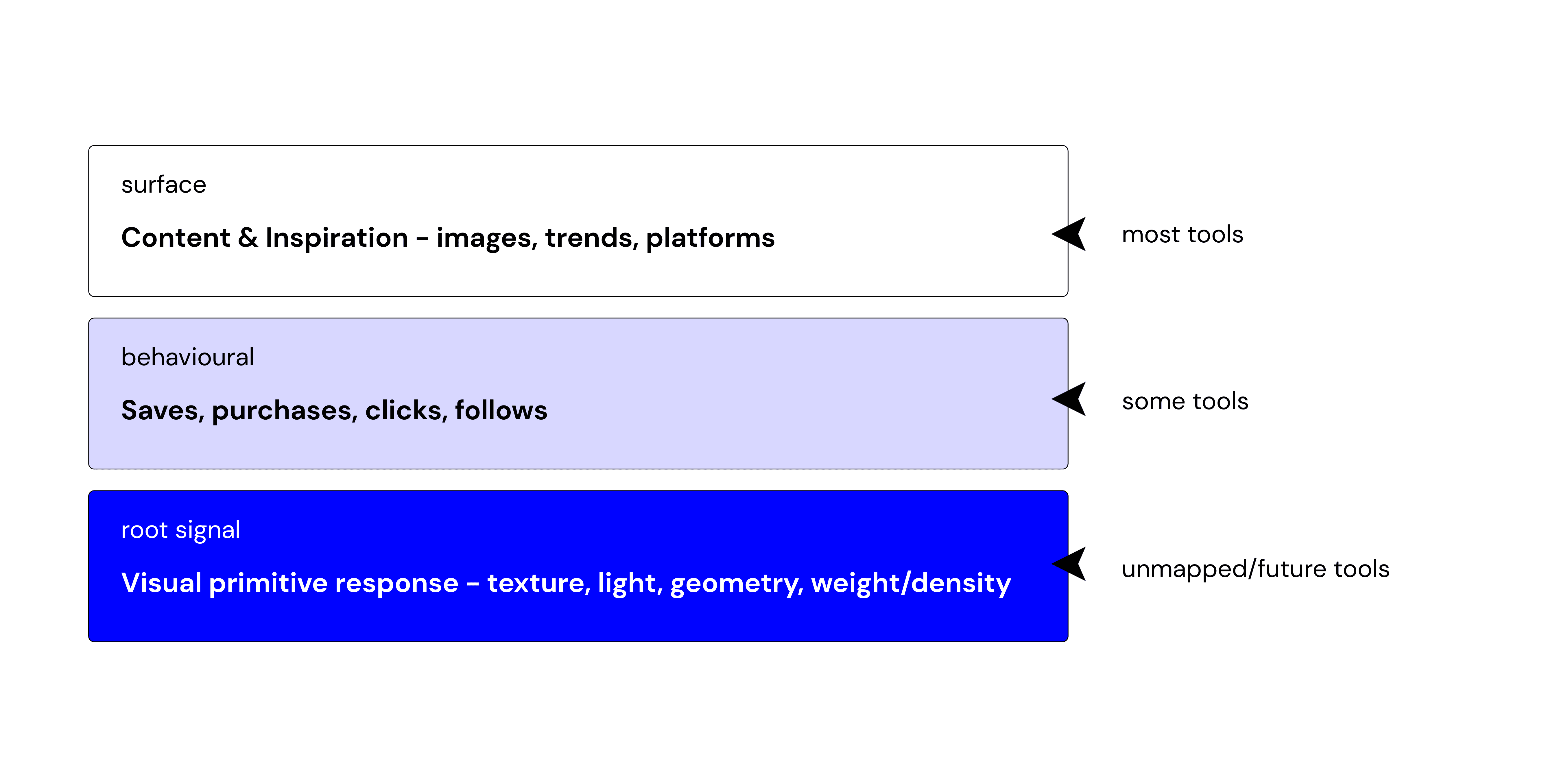
Fig. 2 - Three layers of preference data; most tools operate in the top two
Psychological response as data
The more interesting question I thought about that connects to this is not "what is your style?" but: what visual properties does your psychology consistently respond to?
Research in neuroaesthetics and perceptual psychology suggests aesthetic response is not arbitrary. It is a measurable reaction to specific properties of the physical world: texture, luminance gradient, geometric frequency, and colour weight. What we call taste is a stable pattern of resonance with these primitives. It varies between individuals and is consistent within them; it's not restrained by category boundaries.
Current hypothesis: If a person resonates with a specific texture primitive in a fabric, they might/can resonate with that same primitive in a furniture surface, in an architectural material, in the grain of a photograph (not all, but would be in some). The signal does not know which vertical it belongs to. It exists at the same frequency, expressed across different (visual) forms.
This has a structural implication: taste is a pattern problem and not just a category problem. And patterns, unlike categories, are computable. The gap in the current market is not solely a recommendation algorithm, but also the absence of a taste layer, an application/system that operates at the resolution of the visual signal itself, not just at the level of the labels used to describe it. It can tell you not just that you will like something, but why, and what that reveals about your style, what items/products clustered in that style and other adjacent style clusters for you to explore and decide. More consistently, more accurately and more uniquely yours.
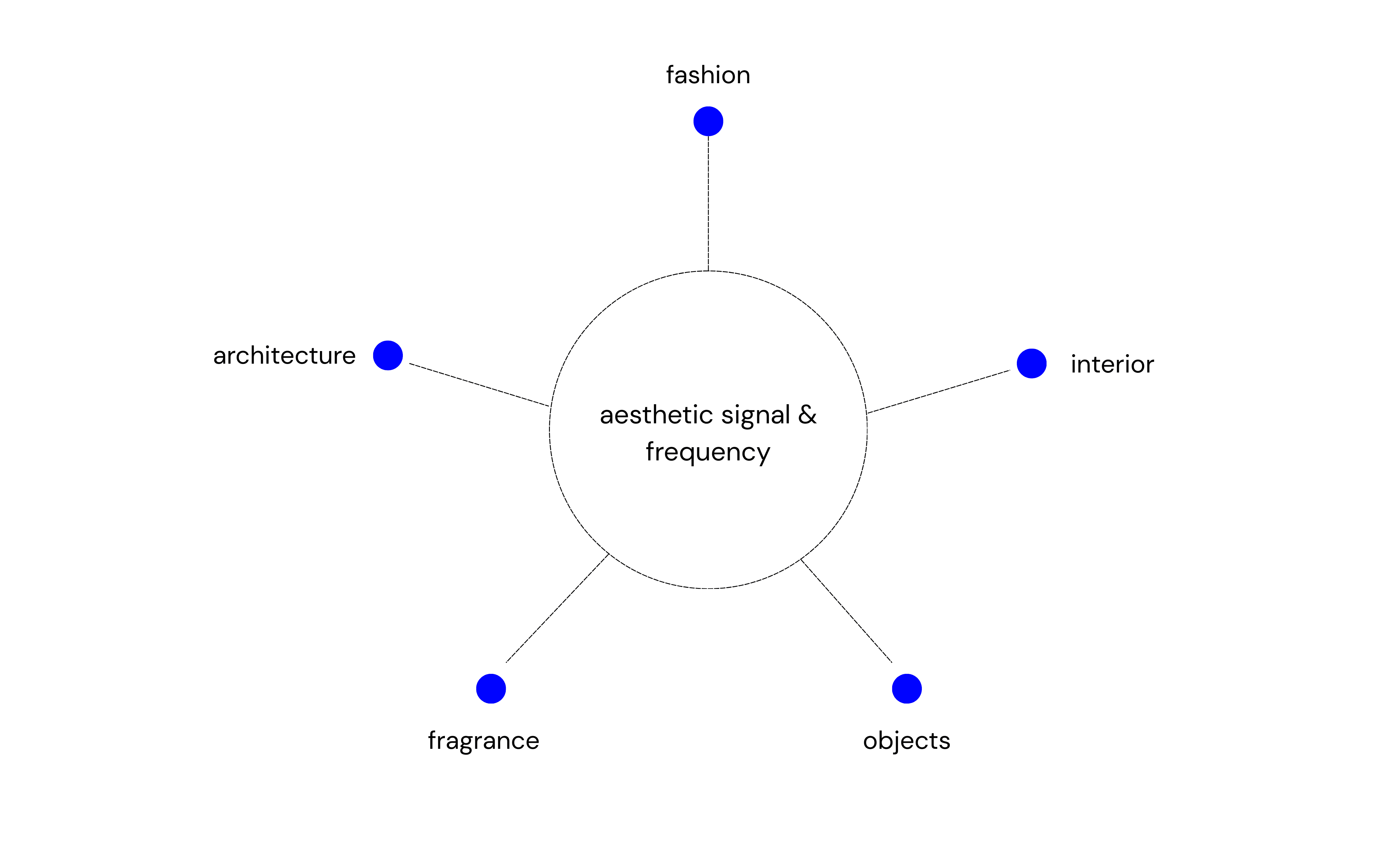
Fig. 3 - One aesthetic signal expressing itself across categories
What this means
Aside from the purely analytical view of style, I want to dedicate this last paragraph to aesthetics, style's older brother. It has a history that runs completely parallel to our own, guiding human preferences since the very beginning.
Aesthetics is one of the oldest parts of human experience. Before writing, before language in its current form, humans were already creating and responding to beauty, ochre on cave walls, deliberate symmetry in tools that did not need to be symmetrical to function.
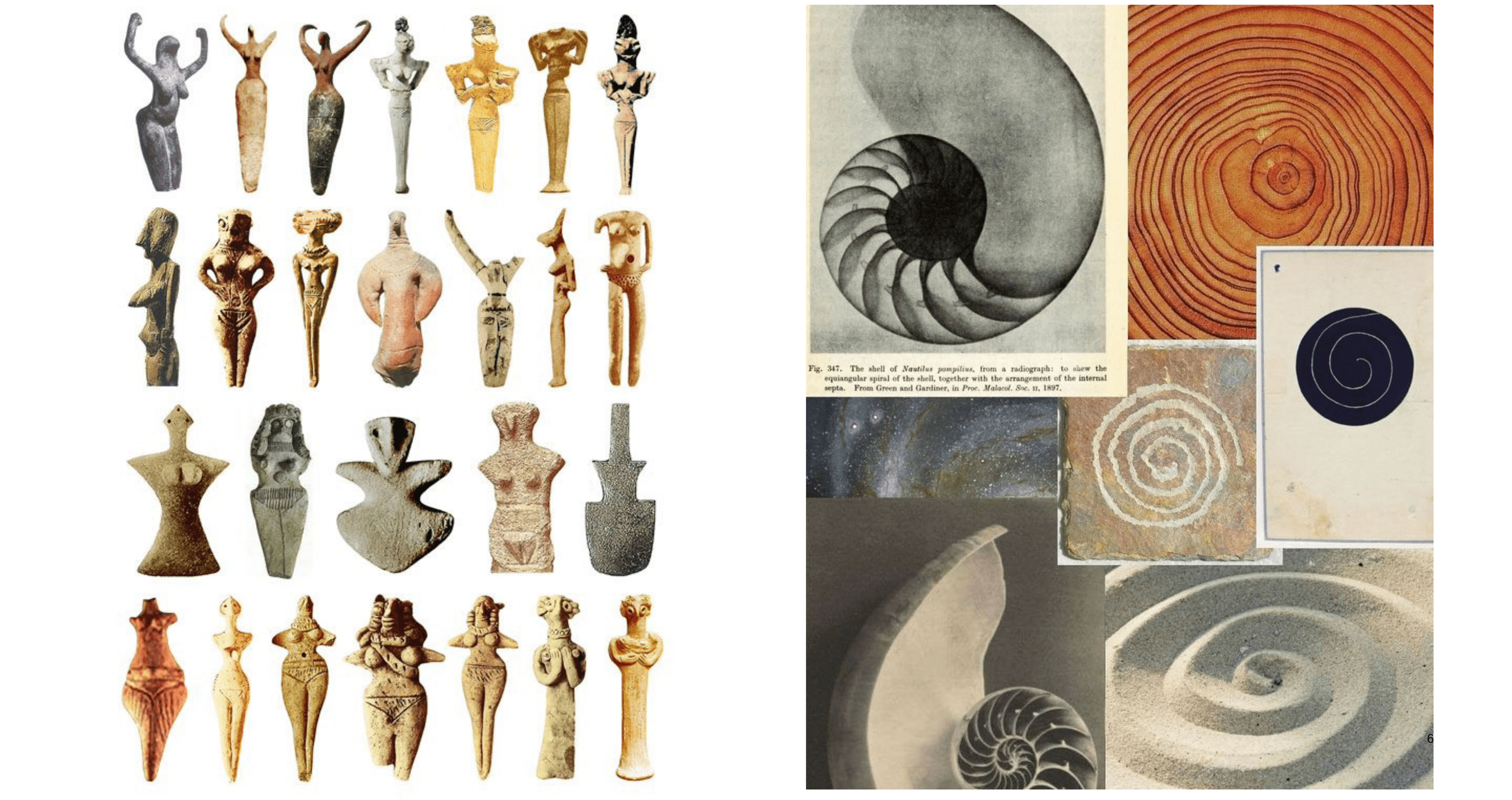
There's solid and established infrastructure for almost every dimension of human preference: music, food, information, and commerce. For visual aesthetic identity, the part that shapes what you put on your body, how you furnish the spaces you live in, and what objects you choose to be surrounded by, little has been built. What exists is mostly content infrastructure: more to look at. Not a tool to show you here is what this says about you, and here is what you have not found yet.
Currently, most people experience their own taste as intuitive but inarticulate; they know their preferences but cannot fully explain them to others or even to themselves. If taste is in part systematisable, if the signal is real and readable, then what becomes possible is not just better recommendations, but a new kind of self-knowledge: the ability to see clearly what your nervous system/psychology/visual memories have been responding to all along, even if temporary, but traceable, readable, and actionable.
There is a layer that is incomplete and should be established.

Personal Taste - The Articulation Problem
On human preferences, identity & systems
There is a particular moment most of us have experienced but rarely paused to dissect. What follows is based on my own observations, backed by surveys with 50 people and 10 in-depth interviews exploring our relationship with style.
Imagine, you are scrolling through images: a room, a garment, an object and something in you responds. Not considered and processed yet. It arrives before you have formed an opinion. The thing either resonates, or it doesn't, and you know which immediately, with a certainty that language often fails to follow.
This is how taste works. As a pre-verbal signal. Fast, specific, operating below the level of description. The problem is that nothing on the market built to capture taste works at this level.
The gap that nobody names
So I asked people to describe their personal style and observe what happens. Most people reach for categories. Minimalist. Vintage. Clean. Eclectic. I have noticed how these words fail them, how they add qualifiers, then contradictions, then give up with "it depends," or "I don't think I really have a style" (yes, you do, and it falls into the category called "functional" style).
These labels somewhat described the visual qualities of the object but were mostly inaccurate, especially when they are not designers or creative with the right vocabulary. The actual information lives elsewhere: in the images saved late at night with no particular intention, the items kept for a decade without explanation, the spaces that feel immediately, inexplicably, like home.
The data exists but it's rich, specific, coherent and … subjective.
The hypothesis I have on this is the articulation gap: the distance between aesthetic response, which is fast, specific, and real and the language we use to describe it, which is broad, retrospective, and almost always imprecise. Whether you work in a creative field or care deeply about how you present yourself to the world, chances are you already possess a highly sophisticated, coherent sense of taste. This is especially true for Gen Z and Gen Alpha, who use visual identity as a core language.
If people struggle to articulate their style, it’s not because they don't know what they like, but more about a lack of vocabulary. There's simply no system/application precise enough to reflect their own taste back to them.
Fig. 1 - The articulation gap: what you experience vs. what systems are built to capture
What the current tools haven't done
The systems that exist for personal style operate almost entirely in the upper registers of preference data. They observe what you buy, what you search, and what you label with questions like: What do you call your style? What have you saved? What have you acquired?
This is useful information. It is not sufficient information.
On the commercial side, purchase data tells you what someone was willing to acquire at a given price, on a given day, for a given occasion. Saved images tell you what caught the eye, not specifically what it caught about you. Style labels create categories so broad that they contain their own contradictions.
The structural problem: every existing tool requires you to translate aesthetic experience into language before it can process it. Thus, the translation step is where the signal degrades.
Consider a person who saves images of brutalist architecture, unbleached linen, ceramics with visible texture, and photographs from 1970s rural Japan. No quiz produces an accurate read of this person. No category holds them. What they are responding to is something more specific than a style word, a consistent visual primitive, a quality of weight and material honesty and restrained chromatic range that expresses itself across apparently unrelated categories. The current landscape calls this person "minimalist" and moves on. It is not inherently wrong, but it's … missing.
Fig. 2 - Three layers of preference data; most tools operate in the top two
Psychological response as data
The more interesting question I thought about that connects to this is not "what is your style?" but: what visual properties does your psychology consistently respond to?
Research in neuroaesthetics and perceptual psychology suggests aesthetic response is not arbitrary. It is a measurable reaction to specific properties of the physical world: texture, luminance gradient, geometric frequency, and colour weight. What we call taste is a stable pattern of resonance with these primitives. It varies between individuals and is consistent within them; it's not restrained by category boundaries.
Current hypothesis: If a person resonates with a specific texture primitive in a fabric, they might/can resonate with that same primitive in a furniture surface, in an architectural material, in the grain of a photograph (not all, but would be in some). The signal does not know which vertical it belongs to. It exists at the same frequency, expressed across different (visual) forms.
This has a structural implication: taste is a pattern problem and not just a category problem. And patterns, unlike categories, are computable. The gap in the current market is not solely a recommendation algorithm, but also the absence of a taste layer, an application/system that operates at the resolution of the visual signal itself, not just at the level of the labels used to describe it. It can tell you not just that you will like something, but why, and what that reveals about your style, what items/products clustered in that style and other adjacent style clusters for you to explore and decide. More consistently, more accurately and more uniquely yours.
Fig. 3 - One aesthetic signal expressing itself across categories
What this means
Aside from the purely analytical view of style, I want to dedicate this last paragraph to aesthetics, style's older brother. It has a history that runs completely parallel to our own, guiding human preferences since the very beginning.
Aesthetics is one of the oldest parts of human experience. Before writing, before language in its current form, humans were already creating and responding to beauty, ochre on cave walls, deliberate symmetry in tools that did not need to be symmetrical to function.
There's solid and established infrastructure for almost every dimension of human preference: music, food, information, and commerce. For visual aesthetic identity, the part that shapes what you put on your body, how you furnish the spaces you live in, and what objects you choose to be surrounded by, little has been built. What exists is mostly content infrastructure: more to look at. Not a tool to show you here is what this says about you, and here is what you have not found yet.
Currently, most people experience their own taste as intuitive but inarticulate; they know their preferences but cannot fully explain them to others or even to themselves. If taste is in part systematisable, if the signal is real and readable, then what becomes possible is not just better recommendations, but a new kind of self-knowledge: the ability to see clearly what your nervous system/psychology/visual memories have been responding to all along, even if temporary, but traceable, readable, and actionable.
There is a layer that is incomplete and should be established.
Personal Taste - The Articulation Problem
On human preferences, identity & systems
There is a particular moment most of us have experienced but rarely paused to dissect. What follows is based on my own observations, backed by surveys with 50 people and 10 in-depth interviews exploring our relationship with style.
Imagine, you are scrolling through images: a room, a garment, an object and something in you responds. Not considered and processed yet. It arrives before you have formed an opinion. The thing either resonates, or it doesn't, and you know which immediately, with a certainty that language often fails to follow.
This is how taste works. As a pre-verbal signal. Fast, specific, operating below the level of description. The problem is that nothing on the market built to capture taste works at this level.
The gap that nobody names
So I asked people to describe their personal style and observe what happens. Most people reach for categories. Minimalist. Vintage. Clean. Eclectic. I have noticed how these words fail them, how they add qualifiers, then contradictions, then give up with "it depends," or "I don't think I really have a style" (yes, you do, and it falls into the category called "functional" style).
These labels somewhat described the visual qualities of the object but were mostly inaccurate, especially when they are not designers or creative with the right vocabulary. The actual information lives elsewhere: in the images saved late at night with no particular intention, the items kept for a decade without explanation, the spaces that feel immediately, inexplicably, like home.
The data exists but it's rich, specific, coherent and … subjective.
The hypothesis I have on this is the articulation gap: the distance between aesthetic response, which is fast, specific, and real and the language we use to describe it, which is broad, retrospective, and almost always imprecise. Whether you work in a creative field or care deeply about how you present yourself to the world, chances are you already possess a highly sophisticated, coherent sense of taste. This is especially true for Gen Z and Gen Alpha, who use visual identity as a core language.
If people struggle to articulate their style, it’s not because they don't know what they like, but more about a lack of vocabulary. There's simply no system/application precise enough to reflect their own taste back to them.
Fig. 1 - The articulation gap: what you experience vs. what systems are built to capture
What the current tools haven't done
The systems that exist for personal style operate almost entirely in the upper registers of preference data. They observe what you buy, what you search, and what you label with questions like: What do you call your style? What have you saved? What have you acquired?
This is useful information. It is not sufficient information.
On the commercial side, purchase data tells you what someone was willing to acquire at a given price, on a given day, for a given occasion. Saved images tell you what caught the eye, not specifically what it caught about you. Style labels create categories so broad that they contain their own contradictions.
The structural problem: every existing tool requires you to translate aesthetic experience into language before it can process it. Thus, the translation step is where the signal degrades.
Consider a person who saves images of brutalist architecture, unbleached linen, ceramics with visible texture, and photographs from 1970s rural Japan. No quiz produces an accurate read of this person. No category holds them. What they are responding to is something more specific than a style word, a consistent visual primitive, a quality of weight and material honesty and restrained chromatic range that expresses itself across apparently unrelated categories. The current landscape calls this person "minimalist" and moves on. It is not inherently wrong, but it's … missing.
Fig. 2 - Three layers of preference data; most tools operate in the top two
Psychological response as data
The more interesting question I thought about that connects to this is not "what is your style?" but: what visual properties does your psychology consistently respond to?
Research in neuroaesthetics and perceptual psychology suggests aesthetic response is not arbitrary. It is a measurable reaction to specific properties of the physical world: texture, luminance gradient, geometric frequency, and colour weight. What we call taste is a stable pattern of resonance with these primitives. It varies between individuals and is consistent within them; it's not restrained by category boundaries.
Current hypothesis: If a person resonates with a specific texture primitive in a fabric, they might/can resonate with that same primitive in a furniture surface, in an architectural material, in the grain of a photograph (not all, but would be in some). The signal does not know which vertical it belongs to. It exists at the same frequency, expressed across different (visual) forms.
This has a structural implication: taste is a pattern problem and not just a category problem. And patterns, unlike categories, are computable. The gap in the current market is not solely a recommendation algorithm, but also the absence of a taste layer, an application/system that operates at the resolution of the visual signal itself, not just at the level of the labels used to describe it. It can tell you not just that you will like something, but why, and what that reveals about your style, what items/products clustered in that style and other adjacent style clusters for you to explore and decide. More consistently, more accurately and more uniquely yours.
Fig. 3 - One aesthetic signal expressing itself across categories
What this means
Aside from the purely analytical view of style, I want to dedicate this last paragraph to aesthetics, style's older brother. It has a history that runs completely parallel to our own, guiding human preferences since the very beginning.
Aesthetics is one of the oldest parts of human experience. Before writing, before language in its current form, humans were already creating and responding to beauty, ochre on cave walls, deliberate symmetry in tools that did not need to be symmetrical to function.
There's solid and established infrastructure for almost every dimension of human preference: music, food, information, and commerce. For visual aesthetic identity, the part that shapes what you put on your body, how you furnish the spaces you live in, and what objects you choose to be surrounded by, little has been built. What exists is mostly content infrastructure: more to look at. Not a tool to show you here is what this says about you, and here is what you have not found yet.
Currently, most people experience their own taste as intuitive but inarticulate; they know their preferences but cannot fully explain them to others or even to themselves. If taste is in part systematisable, if the signal is real and readable, then what becomes possible is not just better recommendations, but a new kind of self-knowledge: the ability to see clearly what your nervous system/psychology/visual memories have been responding to all along, even if temporary, but traceable, readable, and actionable.
There is a layer that is incomplete and should be established.